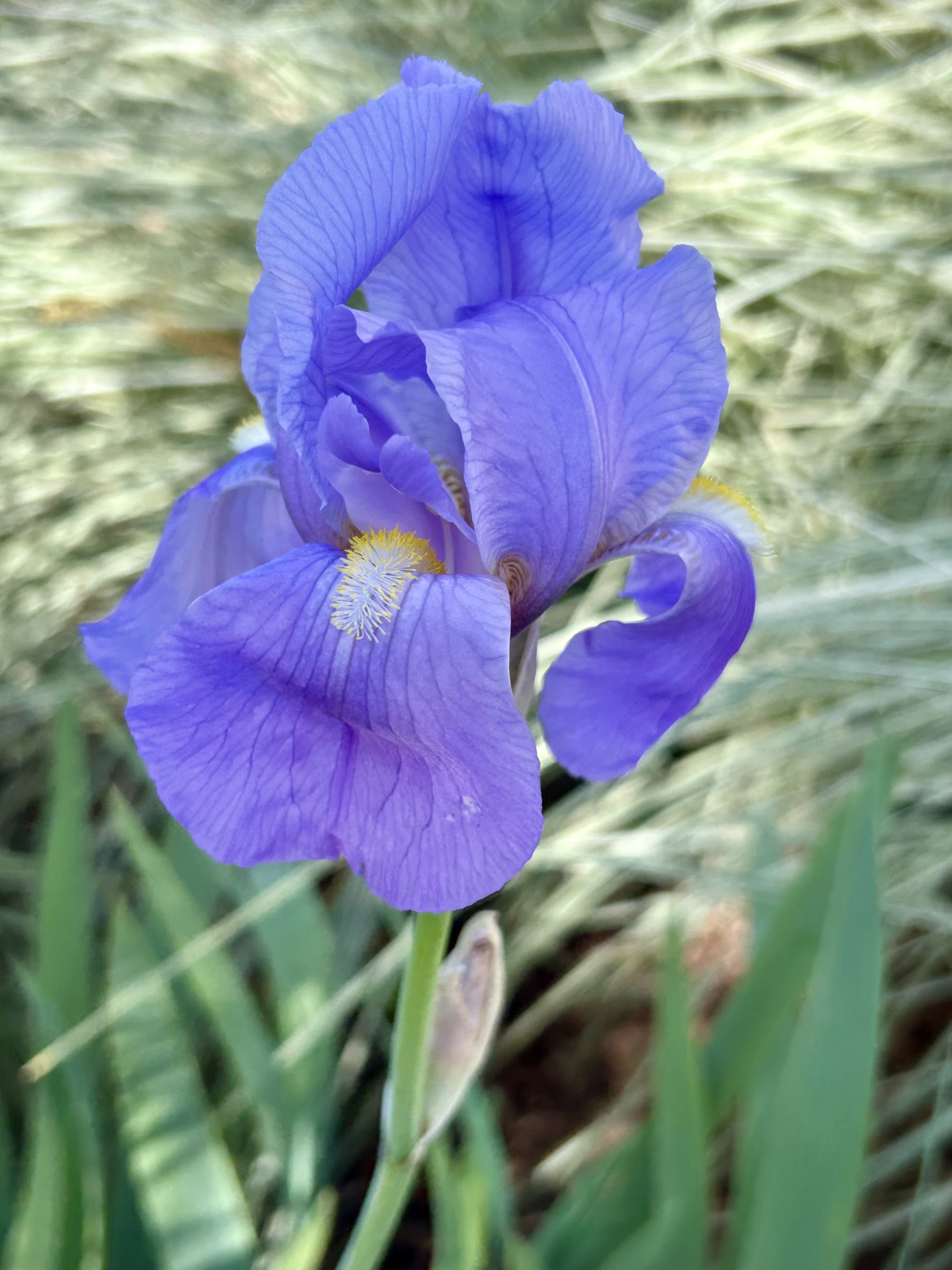
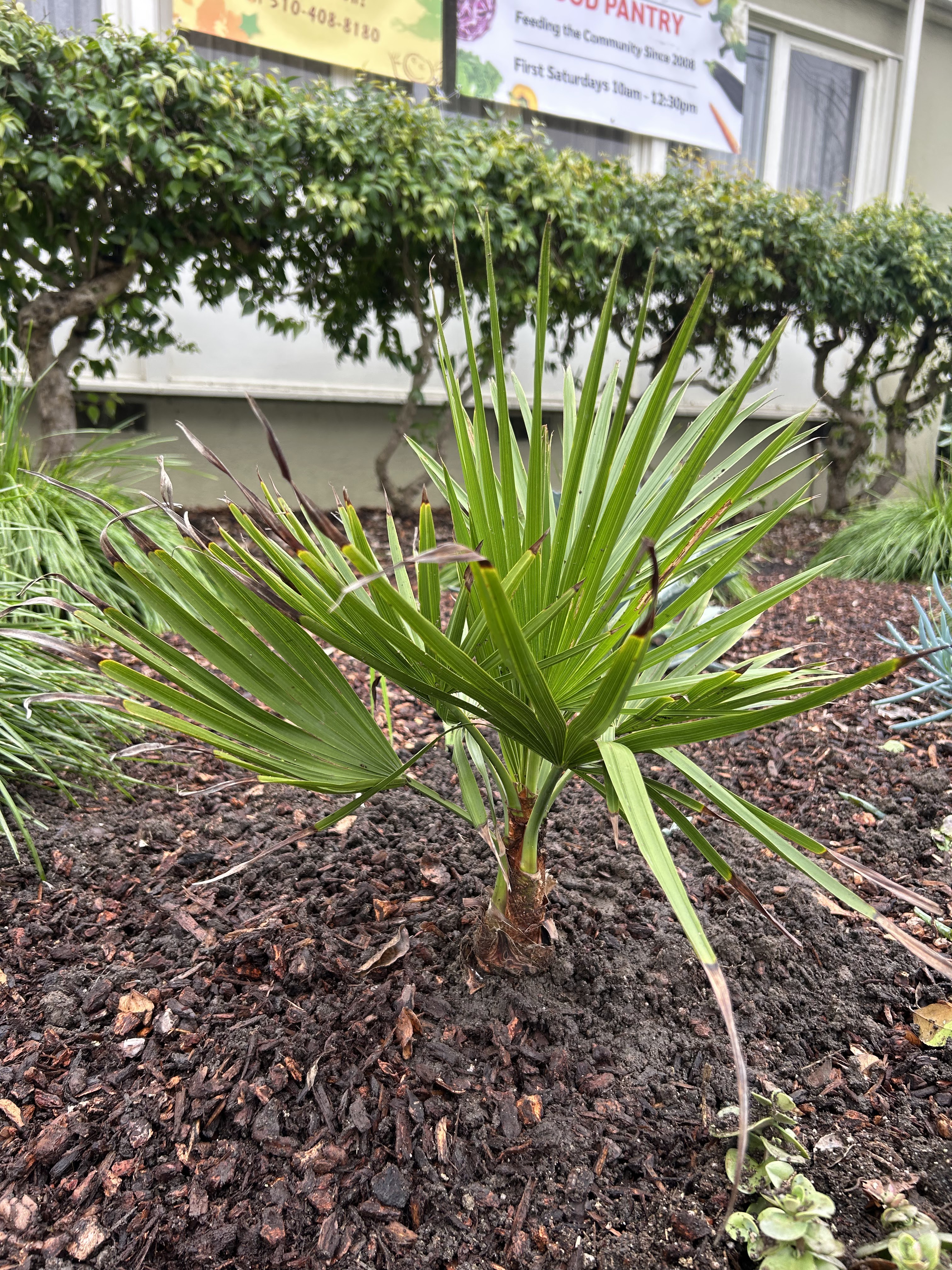
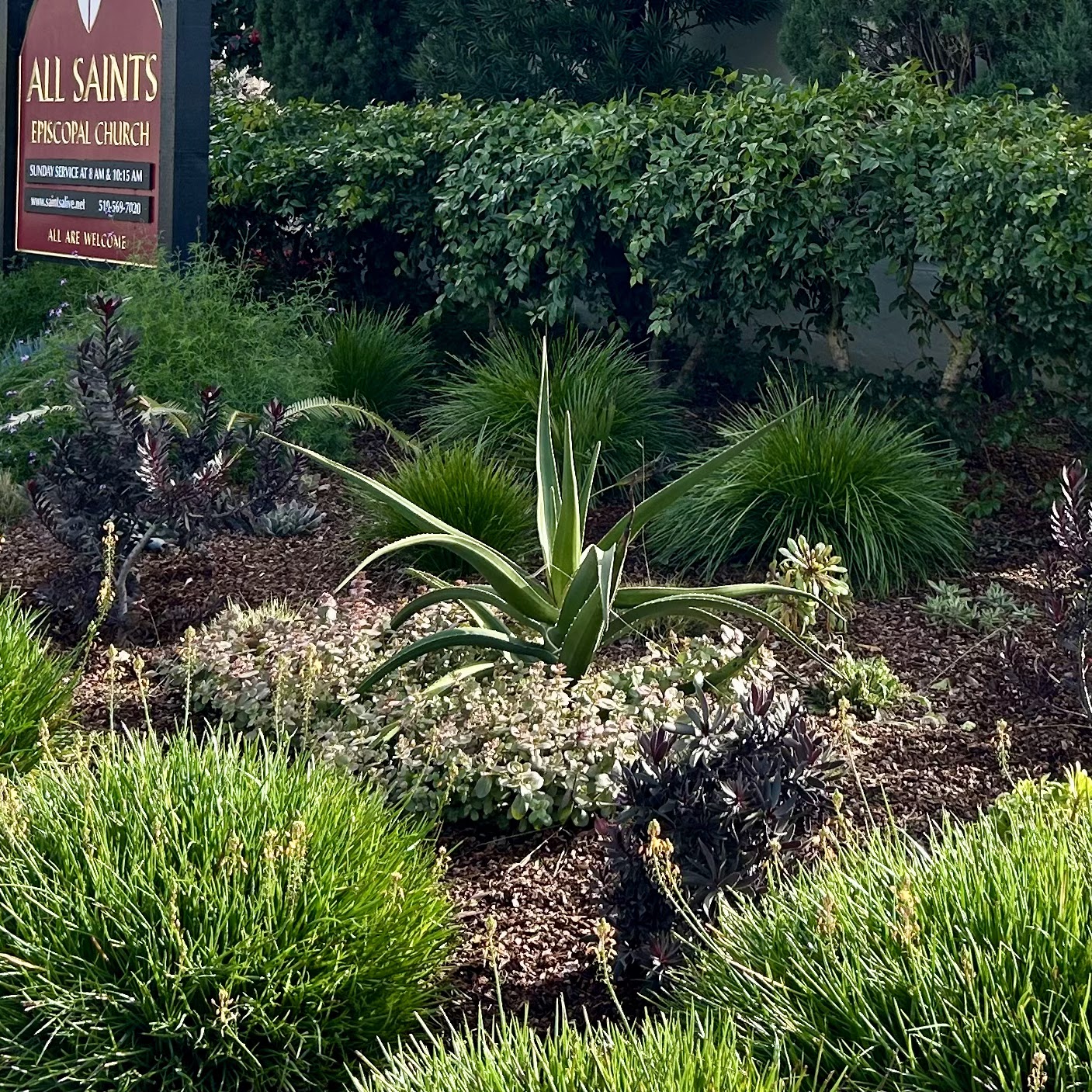
Tuesday, March 3, 2026

Mindful

Mindful, by Mary Oliver

Every day
     I see or hear
          something
               that more or less

kills me
     with delight,
          that leaves me
               like a needle

in the haystack
     of light.
          It was what I was born for --
               to look, to listen,

to lose myself
     inside this soft world --
          to instruct myself
               over and over

in joy,
     and acclamation.
          Nor am I talking
               about the exceptional,

the fearful, the dreadful,
     the very extravagant --
          but of the ordinary,
               the common, the very drab,

the daily presentations.
     Oh, good scholar,
          I say to myself,
               how can you help

but grow wise
     with such teachings
          as these --
               the untrimmable light

of the world,
     the ocean's shine,
          the prayers that are made
               out of grass?

“Mindful” by Mary Oliver from Why I Wake Early. © Beacon Press, 2005.


This poem was shared with me this week and resonates so deeply with my experience of the world. I started this morning at the church weeding the front garden. While pulling some oxalis I noticed this strange fungus and captured these photos. It was like looking into a coral reef and it fascinates me how similar the structures of coral and fungus are. You can click these to see them larger. 


Its funny because a parishioner shared a photo with me just this past Sunday of a different fungus that she discovered in her front garden. It just looked like a yellow blob until you zoom in. Upon zooming in you discover the most intricate matrix of webbing and interconnected structure. These photos of the blob come from Linda Nunes and are shared with her permission:


"Every day I see or hear something that more or less kills me with delight..." :-)


Thursday, February 12, 2026

Joy and wonder in all God’s works

Here’s a glimpse of the All Saints Parish Garden, photos I just took today on my iPhone. Be sure to click them to make them larger and see all the detail of the countless intricate patterns and colors that are interwoven through this space...


At every baptism, there is a prayer in the Baptismal Rite that the priest prays over the person right after they are baptized into new life in Christ:

"Heavenly Father, we thank you that by water and the Holy Spirit you have bestowed upon these your servants the forgiveness of sin, and have raised them to the new life of grace. Sustain them, O Lord, in your Holy Spirit. Give them an inquiring and discerning heart, the courage to will and to persevere, a spirit to know and to love you, and the gift of joy and wonder in all your works. Amen."

I have always loved that prayer, especially that last line. Over the years, my expression of daily prayer has taken many different forms. Sometimes it has involved praying the daily office and other times I have used different poetry and prayers like e.e. cummings poem ‘i thank You God for most this amazing’ or Saint Patrick’s Breastplate as morning prayers. These days my prayer manifests more like “joy and wonder” in God’s works. I’m not in a place of my journey where I feel I need to plead, tell, or ask God what to do. God knows our deepest needs, longings, and willingness. For me, these days, prayer manifests as "joy and wonder in all [God’s] works.” When I pray for people, too, it is less a prayer to direct God what to do and more a prayer of holding that person in the Light of Christ, as the Quakers say. 

The All Saints Parish Garden is a place that activates for me deep joy and wonder in God’s works. There’s always something blooming, something changing, plants going dormant as other plants emerge— bulbs like boophone and amarylis. Leucadendron glowing, cycads pushing new leaves, and cosmos dancing across the garden like stars in the night sky. Here are a couple photos I took just this week…


Even though I just planted white cupcake cosmos, this year we had this brilliant bi-color volunteer. On the right is a bromeliad bloom stalk holding onto its last yellow flower on the very top of the bract. The red part is what’s called a bract, and is not actually the flower. The bract is a modified leaf structure that supports the flowers and it is usually very bright and will stay colorful long after the flowers have all faded. In this case, the bract is red and the flowers yellow. The brown pointy tubes are actually the curled and dried flowers with one remaining in tact on the very top. Plants are so fascinating!

I believe that appreciating God’s creation is pleasing to God. In fact, there is an ancient compilation of the writing of spiritual mystics of the early Christian church from the 4th through 15th centuries that is entitled the Philokalia, which in Greek means “love of the beautiful” (from philia meaning “love” and kallos meaning “beauty”). How fitting that this is the title. I think love of beauty is central to my religion and prayer. 

And I don’t mean just aesthetic beauty according to some refined standard. There is beauty in our human frailty, in vulnerability, and even the Japanese art of Kintsugi reveals the beauty in brokenness. We are surrounded by beauty everywhere, just as we are encompassed by God in all times and places. I believe the more we attune our hearts to finding beauty, in all places and circumstances, the closer we come to an awareness of God’s deepest presence. 

Fr. Justin+, 2/12/2026


Monday, June 23, 2025

What's your favorite Cosmos?

What's your favorite variety of Cosmos?

You've seen the Cosmos 'Cupcakes White' in bloom which have taken over the parish garden! We have a new cosmic visitor: Cosmos sulphureus or Sulfur Cosmos, named after its color. I was just Googling different Cosmos varieties and am enchanted by the diversity of colors, sizes, and bloom shapes in this genus. What's your favorite Cosmos variety? Leave a post in the comments below, but before you do let us wonder at this marvelous flower, the newest 'saint' in All Saints Parish Garden:


All Saints Peace Garden

All Saints' new Peace Garden was just featured on the front page of the San Leandro Times! Click the images below to check out the garden and learn about this new space...


Thursday, May 15, 2025

Who loves Cupcakes?

In summer of 2024, Max and I planted a couple flats of Cosmos 'Cupcakes White' (Cosmos bipinnatus) in the parish garden. They bloomed, went to seed, and then we cut them pack and pulled them out entirely. If you saw them, you may recall that they were gargantuan. Well, clearly they reseeded because white cosmos are coming up everywhere! This variety of cosmos is named 'Cupcakes White' because when flowers are true to form the petals are all fused together forming a curved, tea-cup like receptacle that looks remarkably like a cupcake baking cup. Not all the flowers do this and are true to the name, but I am excited about one perfect specimen in the garden that's showing off today. Click that left photo and check out the huge tentacles extending from the center of the flower-- Max tells me those are just extra petals that didn't make it into the fused cupcake. I wonder if they feel left out, or enjoy the attention being in the middle of the circle. 


They literally are showing up everywhere! It's like a starry field of cosmos...


Other wonders are unfolding in the garden, not just this cupcake feast. Some Babiana stricta bulbs I recently planted have started to emerge! I am always so in awe by the South African section at the UC Botanical Garden and would love to get more bulbs! Max tells me these are "on the wrong schedule because they were planted so late," since these are supposed to go dormant in the summer. You can learn more about them here: https://en.wikipedia.org/wiki/Babiana_stricta


The amaryllis on the East Merle side of the church has finally bloomed. The petals seem kind of curly, and not the crisp fine edges I am used to seeing in amaryllis. I've asked Max if this is normal or related to some sort of deficiency. He's not sure. "Ask David," is a common reply to questions like that (David being a reference to David Neumaier, who you may recall helped to install the front garden). Still, it's a feast of color and since I've got cupcakes on my mind, I'm going to call this amaryllis 'Strawberries and Cream' (clearly a name I just made up). Enough blogging for now; all this talk about food I think it's time for a snack. 


Thursday, May 1, 2025

New Arrival + Amaryllis Showtime

There's a new arrival in the parish garden that I am excited about! It's a tree fern that my husband Max donated to the church called a Cyathea medullaris, or I guess they've reclassified it as a Sphaeropteris medullaris. You can learn more about it here. I feel like as soon as I learn a plant's scientific name, they reclassify it. It's commonly called a black tree fern because unlike most tree ferns, as it matures it develops a black trunk and it has fronds with strikingly black stipes (the stipe is the central, main thick part of a fern fronds from which all the leaves emerge). Here's the medullaris that Max planted at the church:


And here's a photo from Wikipedia showing a very mature medullaris...

wikimedia user  gerald.w, CC BY 2.5 https://creativecommons.org/licenses/by/2.5, via Wikimedia Commons

As you see, someday this tree fern could tower over the garden, as tall as the church or taller. Another exciting happening in the garden has been the show that the amaryllis has been putting on. If you missed the recent white amaryllis blooms in the front of the church, the same plant is going for round two. Below is a photo of the amaryllis in full bloom from a month ago, and the new flowers getting ready for a second show. You can click photos on this blog for a larger view. 


There's also some exciting amaryllis action getting ready to happen on the East Merle side of the church near the side door to the Fireside Room...


Stay tuned!


Wednesday, April 9, 2025

Certified Wildlife Habitat

In August 2024, the All Saints Parish Garden was approved as a Certified Wildlife Habitat by the National Wildlife Federation, America’s largest wildlife conservation and education organization. Now, while this may sound impressive, it's available to any garden that meets certain criteria and some people see it as gimmicky. But bear with me, and I’ll tell you why I pursued this for the church garden and think it’s a good thing. 


The National Wildlife Federation offers this certification for $25, for qualifying gardens, and the fee includes a 1-year NWF membership and other perks and discounts. To qualify, you have to affirm that your garden meets certain criteria including having a water source, food source, and suitable habitat for animals to inhabit. If you want a sign for your garden, it costs extra ($30 or $99, though there are often coupons). Also, Certified Wildlife Habitats don’t really have special state or federal protection like parks and wildlife refuges and don't impose an encumbrance on the deed. You could say it’s a type of fundraiser and way of marketing for NWF, but I actually think it serves a greater purpose. For the church garden, it shows an intentionality around the garden, and demonstrates values of commitment to the creatures that share that space with us. It’s a form of ecological, public witness to values that extend beyond the human community. This is why I pursued this certification. 


According to their website, “An ideal Certified Wildlife Habitat® provides food, water, cover, and places to raise young for wildlife with a minimum goal of 70% native plants that provide multi-season bloom and are free of neonicotinoids and other pesticides or herbicides.”


Food:

While we have many plants that provide food for birds and bees, the large Grevillea (either 'Superb' or 'Robyn Gordon') is a favorite source of food for our hummingbirds who frequent the garden. It seems year-round we always have something in bloom feeding the bees, moths, and other winged friends. I've seen sparrows, towhees, crows, Anna's hummingbirds, and various other birds visit our garden. 


Water:


In order to provide water, we purchased a bird bath for the garden (pictured above), which I clean and refill regularly. Also, just recently a friend donated another bird bath, so we now have two sources of water in the front garden. In addition to this, we've been creating a Peace Garden on the side of the church where we have a running fountain. I've seen various birds visiting the larger bird bath, especially crows. I know that some birds like crows or ravens will soak or "wash" their food before feeding it to their young or even before eating it themselves. 


Cover and Places to Raise Young:


We also have a number of large street trees, two podocarpus (smaller one pictured below), and two large cedar. These all provide good cover and habitat for birds to nest. The reason I included this photo below was because it is a favorite perching spot for a lady hummingbird who hangs around the garden. For several weeks, I could always find her perched on this podocarpus on one specific branch. Our parish administrator recently saw a female hummingbird buzzing back-and-forth in front of her window under the roof. I went out to investigate and saw only cobwebs in the area she pointed out. I imagine the hummer was collecting webs for a nest. I can only hope the nest is somewhere on our property, as hummingbird nests are the most incredible sight to behold. 


There you have it, the All Saints Parish Garden, a Certified Wildlife Habitat. We have set our intentions, and I hope it becomes a home and haven to many creatures for years to come. 


Saturday, April 5, 2025

Featured Plants: Brahea 'Super Silver' & Aloe barberae

Now that I've caught you up to date on the big picture of the garden transformation, I can focus on plant features, as well as day-to-day excitement. The first plant I want to highlight is a palm named Brahea 'Super Silver.' It was not in the original design of the garden, but my designer Troy Stephens had access to a couple great two-gallon 'Super Silver' palms so we couldn't pass up the opportunity. As young palms they are more green, but as they age the silver emerges. Here are the two that Max and I planted at the church:


We have a more mature one in our garden, and here is a photo that Max took at a friend's garden:


It will be exciting to watch as these two palms grow and start to show their bluish-silver true colors. You can learn more about Brahea 'Super Silver' in the Palmpedia here, and the website Flora Grubb's Guides also has some great info as well as a fabulous photo showing how they look when they trunk. One of the really exciting things for me when I look at the garden is not just how things look right now, but knowing the potential hidden within these plants and having a sense of how they might look someday. Another one that excites me in this same way is the Aloe barberae, which I guess technically has been renamed Aloidendron barberae (also formerly known as Aloe bainesii). Here's a recent photo of one of the ones in the church garden:


Someday this could grow as tall as the gutter on the church roof, or even taller. Here is an incredibly old one from the Wikipedia article on Aloidendron barberae:


This Aloe bainesii tree aloe is growing at Auckland Botanic Gardens, Auckland, New Zealand, and is about three meters tall. This photo has been released into the public domain by its author, Jasper33 at English Wikipedia.


Wednesday, April 2, 2025

In a Year's Time

It's incredible what can happen in a year! We completed the initial planting and mulching at the end of March 2024, so it's been almost exactly a year since this garden was planted. As you may recall from my last blog post, the preliminary planting according to landscape design looked a tad sparse. While it might seem sparse, it was intentional because Troy and I knew how these plants would fill in within no time. Here's a photo from March 26, 2024:


Over the course of the past twelve months, while plants were growing in and gaps filling, my husband Max would visit the church with me after work or on weekends and would add new "plant residents" to the church garden. These surprise additions included: 2x Dioon edule, 2x Brahea 'Super Silver' palms, Scabiosa ochroleuca 'Moon Dance', a Ceroxylon quindiuense palm, Sedum 'Cherry Tart', one Lupinus pilosus (which deserves its own blog post, since it bloomed and self-seeded...you can imagine), Bouteloua 'Blonde Ambition', Verbena lilacina 'De la Mina', Cussonia paniculata (who has a wonderful new flush of growth right now), Senecio mandraliscae (which were just small cuttings from our garden and have taken off like crazy), Amaryllis belladonna (a party favor which is blooming as I write this post), and Aechmea 'Red Dragon'. You could say he's a believer in 'cramscaping' :-) We also planted some White Cupcake Cosmos, which just loved the garden. They grew gargantuan, bloomed, and eventually had to be removed. But they definitely reseeded on their own and now we have cosmos coming up all over the garden. Here's a glimpse of the cosmos in their glory:


Just a reminder, for any of the photos, you can click them to make them full-size ;-)

JUNE 2024:


AUGUST 2024:


JANUARY 2025:


APRIL 2025:


I took this above photo just yesterday. When I scroll back to the beginning of this post and look back at when it was first planted, I am left in awe of what can happen in just one year. And all along the way there have been wonders and dramas happening in the garden. The spreading of the cupcakes and lupines, the amaryllis emerging from its bulb, and recently I've added a half dozen Boophone haemanthoides which will be amazing to watch grow. A friend who volunteers at the Gardens at Lake Merritt has also promised me a half dozen Boophone disticha for the garden. Stay tuned for more! Now that I've caught you up with the big picture, I can do more focused posts on smaller and more specific dramas and wonders in the garden.